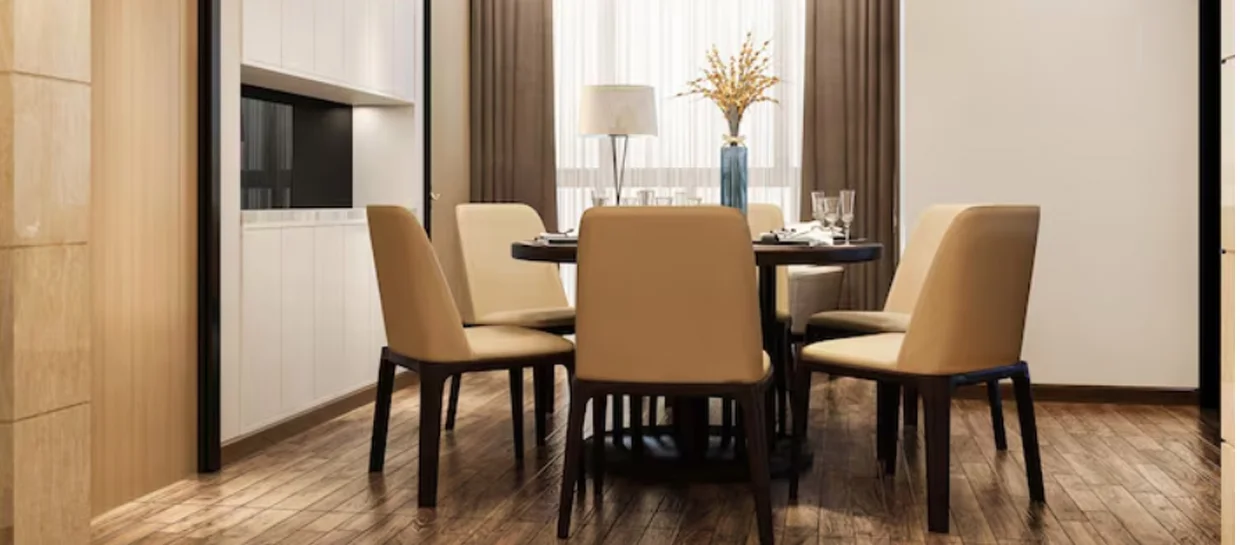

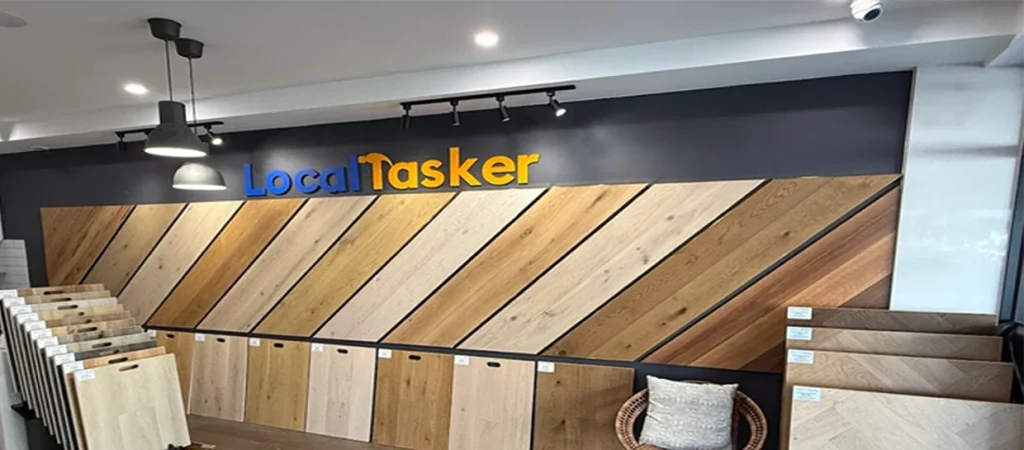
Choosing between engineered timber and SPC hybrid flooring depends on your lifestyle and priorities:
Real wood veneer, natural warmth, and character. Ideal for living rooms, bedrooms, and long-term value. Can be sanded and refinished, but needs more care and is sensitive to moisture.
Synthetic, waterproof, and highly durable. Perfect for kitchens, bathrooms, high-traffic areas, and homes with kids or pets. Low maintenance and cost-friendly upfront.
Many homes use a mix — timber where comfort and aesthetics matter, hybrid where practicality and durability come first.
When you’re renovating, building new, or doing a retrofit, choosing the right floor is a big call. Two of the most popular options these days are engineered timber and SPC hybrid — both give a wood-look finish and suit many homes.
But each serves different needs. If you’re considering options (perhaps even via LocalTasker), here’s a breakdown of how they compare — and when each really makes sense.
Real hardwood veneer on a plywood or composite core. It delivers the look and feel of genuine wood.
Planks built around a stone–plastic composite core (typically PVC + stone filler), topped with a wood-look surface. It’s fully synthetic but mimics timber appearance.
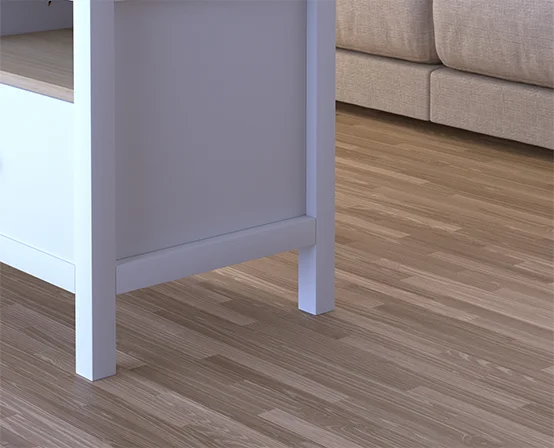
Engineered timber is a great choice if you love the look and feel of real wood. It brings warmth and natural beauty to your home and can last for many years. Perfect for your living rooms and bedrooms where style and comfort are important.
Are you looking for a floor that’s durable and easy to maintain? SPC hybrid is waterproof, scratch-resistant, and made for your kitchens, bathrooms, and hallways. It’s one of the best choices if you have an active household with kids and pets around.
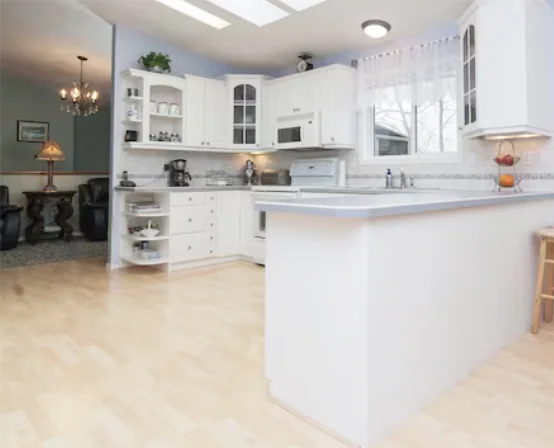
Because it’s real wood, engineered timber offers natural grain variation, warmth and character — things that printed surfaces simply can’t replicate. Every plank is unique. Underfoot, engineered timber feels warm and organic. When installed properly (especially glued down), it has a subtle springiness — pleasant underfoot in living rooms, bedrooms or open-plan spaces.
Hybrid planks have come a long way in replicating wood. High-definition wood grain prints and textured surfaces make them look very realistic. Because of the rigid core, hybrid floors feel firm and stable underfoot.
They rarely change over time in look or structure. Over large areas though, you may notice slight repetition in the pattern rather than unique natural variation.
Summary: If you value a natural, premium timber feel — go engineered. If you prefer consistent appearance, uniform colour and low maintenance — hybrid works well.
Hybrid flooring really excels where durability is important. Its rigid SPC core resists dents, scratches and wear from pet claws, heavy furniture, toys, high foot traffic. Many SPC hybrids is also 100% waterproof, making them perfect for kitchens, bathrooms, laundries and hallways.
If there are spills, muddy paws, or wet boots, you can simply just mop or wipe them up. Maintenance is also easy: regular sweeping or vacuuming, occasional damp mopping, and no sanding or special treatments are needed.
Engineered timber is sturdier than solid hardwood thanks to its layered construction, but it’s still wood. It remains vulnerable to moisture, spills and potential dents or scratches from heavy use.
Water spills must be wiped quickly, and heavy furniture or pet claws can leave marks. On the upside: if the veneer is thick enough, you can sand and refinish engineered timber — potentially more than once restoring its original look even after years of use.
Hybrid wins on ease of maintenance, resilience, and water-resistance. Engineered timber wins if you prioritise long-term appearance, refinishing potential, and natural wood character — but requires more care.
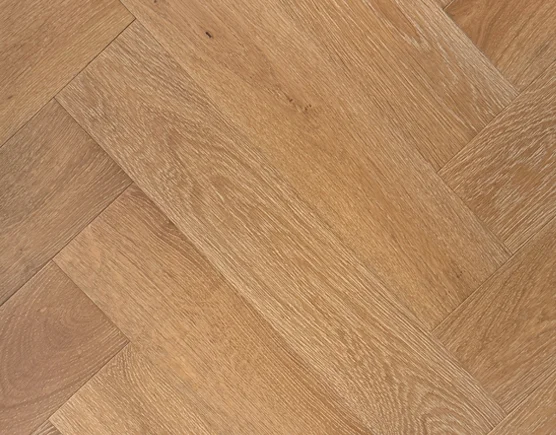
Engineered timber usually costs more, both for materials and installation (especially if glued down for a solid feel). However, its ability to be refinished can make it a better long-term investment.
Over many years, if the floor is well maintained, refinishing can give it a new life — which may make total cost per year lower than repeatedly replacing cheaper floors. Plus, genuine timber often adds perceived value to a home, which can matter for resale.
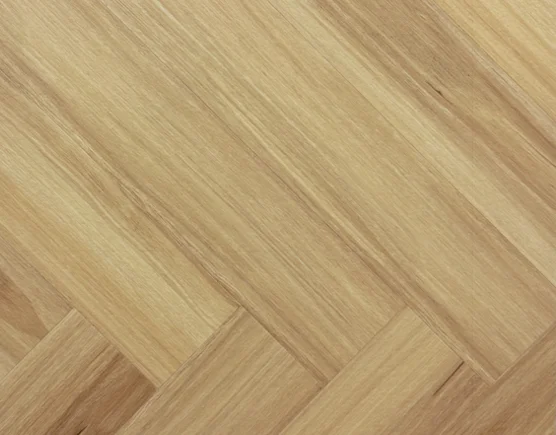
Hybrid flooring tends to be more affordable upfront. Click-lock floating systems require no nails or glue, which also cuts installation costs and can even make it DIY-friendly.
Because it doesn’t require refinishing or ongoing special care, long-term maintenance costs remain low — a big plus for rentals, investment properties, or anyone wanting a straightforward floor.
Hybrid tends to win on budget and ease; engineered timber offers long-term value and aesthetic payoff.
SPC Hybrid is fully synthetic, which makes it less eco-friendly, though some options use recycled PVC or are recyclable. Its long lifespan and low maintenance reduce the need for replacements, helping minimise waste over time.
Engineered Timber is made from real wood, often sourced from managed plantations. It’s renewable, biodegradable, and can be refinished multiple times, extending its life and reducing waste. Locally sourced timber also lowers transportation emissions, making it a greener choice.
Timber generally has the edge for sustainability, but choosing recycled or long-lasting SPC can also be a responsible option.
Different rooms and lifestyles call for different flooring choices. Here’s a quick guide to help you decide where engineered timber and SPC hybrid flooring work best in your home.
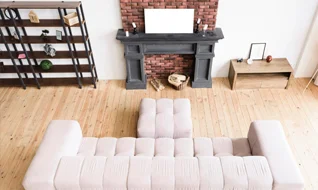
Engineered timber. Its warmth, natural feel, and potential for refinishing suit spaces focused on comfort and appearance.
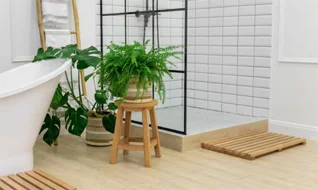
SPC Hybrid. Waterproof, scratch-resistant, and low maintenance — ideal for practical, busy spaces.

Hybrid is resilient and low fuss. Timber can work, but requires care, especially with moisture and scratches.
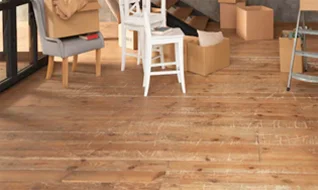
Engineered timber offers timeless appeal and lasting value.

hybrid in wet or high-use areas; timber in living and bedrooms.
Because Local Tasker Flooring connects homeowners with suppliers and installers, here are a few practical pointers when recommending flooring:
SPC hybrid performs best on a flat, level subfloor. If the base is uneven, it may need levelling before installation.
engineered timber should be used in spaces with stable humidity and good ventilation (or air conditioning), especially in climates that changes between dry and humid.
choose engineered timber with a thick enough veneer if you want to sand/refinish in the future.
hybrid requires little ongoing care; timber demands care, but offers depth and potential for restoration.
combining hybrid in practical zones and timber in living zones often gives the best balance of function and aesthetics.
There’s no universal “best” floor — only the one that fits your lifestyle:
If you’d like help planning a layout based on room purpose, lifestyle or future resale value, I’m happy to help design a flooring plan that balances durability, comfort and aesthetic.